Work is changing
01The market
A wider view
71%
of announced U.S. job cuts through August are outside tech.

My work sits within AI engineering, workforce systems, corporate change, labor markets, and public policy.
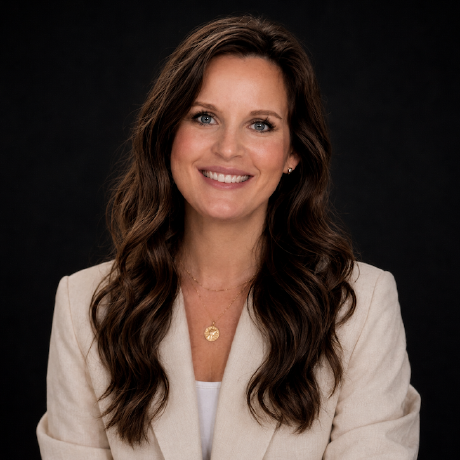
Fmr. CCO Chief of Staff, Director of Operations, global.
Masters in Government. Applied research on AI and data.
Masters in Business. Understanding how corporations operate.
Coursework in public leadership and ethics in organizations and society.
Teaching the next generation across business, media and technology.
Work is changing
A wider view
of announced U.S. job cuts through August are outside tech.
A closer look
Sales & Marketing is the most common function for AI use.
Strategy & Business Development is the second most common
function for AI use.
IT is the third most common
function for AI use.
A shifting labor market
YOY growth in U.S. job postings listing AI skills.
employment gap for young workers in highly AI exposed occupations.
lower real wage growth in highly AI exposed jobs.
The change looks different depending on where you look. Cuts are spreading across industries. AI is moving into ordinary business functions. And the labor market is changing in what employers want, who gets hired, and how exposed work is rewarded.
Work changes one company decision at a time. This is where I make sense of what those decisions add up to.
A weekly essay for people in corporate who want to know what's changing before they have to make a decision about it.
FULL PUBLICATION ↗ Try it now
Decodes workplace announcements to show what may change about the work, the implications, and the questions employees should be asking.
AI adoption is reshaping how companies operate, what work people do, and how organizations make decisions about hiring, restructuring, and automation. Those changes often happen company by company, long before their broader effects are visible to public systems.
Hynta exists to make those shifts easier to see.
AI has the potential to create enormous economic and social value. We believe people, companies, and public institutions should have a shared view of how that transition is unfolding so they can make better decisions before its effects become harder to reverse.